
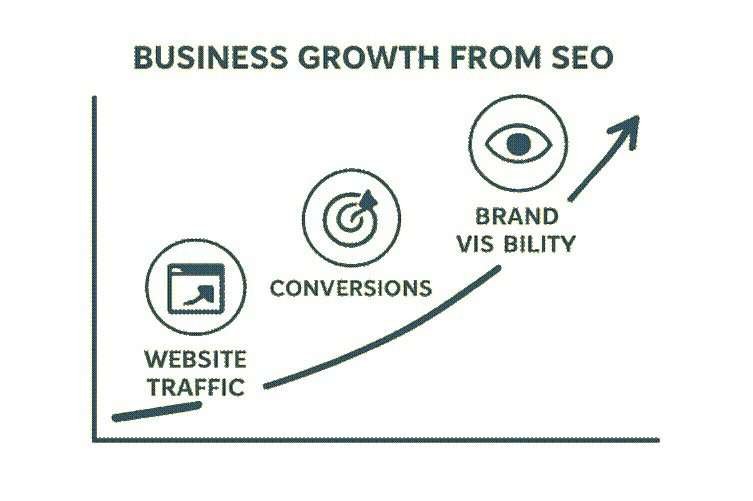
In today’s increasingly competitive digital marketplace, Search Engine Optimization (SEO) is a core driver of business growth, visibility, and long-term success. As more businesses shift their attention online, the competition for digital attention becomes fiercer. This drive for greater online visibility compels businesses to seek strategies that help them attract prospective customers at every stage of the buying journey.
SEO consistently proves its value by leveling the playing field between small local companies and large national brands alike. Companies looking to boost their online presence and maximize revenue quickly recognize that having an effective SEO strategy is no longer optional—it’s essential.
For organizations seeking expert guidance in implementing advanced SEO campaigns, partnering with a reputable agency such as Victorious often makes the difference between average results and extraordinary growth. With the right strategy and execution, SEO can deliver tangible business outcomes, from first impressions to long-term customer loyalty.
SEO is a comprehensive strategy that enhances every aspect of a brand’s online presence by meeting the needs of its target audiences. It improves visibility, usability, and effectiveness by optimizing website structure, page speed, content quality, and user interactions.
This holistic approach leads to increased organic traffic, higher conversion rates, and improved brand reputation, ultimately aligning business goals with customer behaviors to drive sustainable growth.
Boosting Website Traffic Through Organic Search
Organic search serves as the chief gateway for both new and returning visitors. According to a study published by BrightEdge, over 53% of all website visits originate from search engines. This remarkable share highlights why businesses that prioritize search engine optimization can gain a substantial advantage in attracting potential customers.
Strategic efforts around keyword research, technical site health, and the creation of high-quality, engaging content not only drive greater visibility but also result in more sustained site traffic over the long term. Unlike paid traffic, which can diminish as soon as advertising budgets are exhausted, organic traffic is sustainable and continues to bring visitors even after initial investments.
SEO further ensures that traffic is highly qualified; people clicking through from organic listings are typically more engaged and ready to interact with relevant content. As more people rely on search engines for answers, recommendations, and solutions, businesses that optimize for organic search future-proof their online reach and relevance.
Enhancing Conversion Rates with Targeted SEO
While attracting site traffic is key, the real value comes from converting visits into meaningful actions—such as signing up for a newsletter, filling out a contact form, or making a purchase. Here, quality matters as much, if not more, than sheer quantity. SEO’s focus on intent-driven keyword targeting means it brings in visitors specifically searching for the solutions, products, or services a business offers.
When content is aligned with a user’s search intent and optimized for high-value keywords, businesses consistently see superior conversion rates. For example, leads generated through SEO have a close rate as high as 14.6%, according to HubSpot—far surpassing traditional outbound methods, which deliver a close rate of just 1.7%. This difference stems from the fact that people conducting their own research are further along in the buying process, more informed, and more motivated.
By nurturing these higher-quality leads with clear calls to action, easy navigation, and persuasive content, businesses can significantly increase customer acquisition and revenue generation.
Local SEO: Connecting with Nearby Customers
The surge in “near me” searches on Google underscores the increasing importance of local SEO for businesses targeting specific geographic regions. Google has reported a staggering 400% increase in local intent searches over recent years, emphasizing the crucial need for physical stores, service providers, and hospitality venues to enhance their local search visibility.
Unlike broad, untargeted online campaigns, local SEO zeroes in on customers within a defined area who are actively seeking relevant offerings. This not only connects businesses with consumers when they are closer to a purchase decision but also drives real-world foot traffic and community engagement. Strategies such as optimizing Google My Business profiles, acquiring local citations, and crafting geo-targeted website content ensure that businesses appear prominently in local map packs and organic results.
The benefits of local SEO extend beyond digital discovery; companies that invest in their local presence often see improved customer reviews, increased brand loyalty within communities, and even repeat business from satisfied customers nearby. For many small and medium-sized enterprises, local SEO represents a pivotal opportunity to outperform larger competitors in their own backyard.
Building Brand Authority and Trust
Appearing on the first page of search engine results does more than boost traffic—it establishes credibility in the eyes of consumers. People trust search engines to deliver authoritative, trustworthy recommendations, so high rankings carry the implicit endorsement of the search platform itself. This is particularly important for newer companies or those entering crowded markets, as a strong SEO performance accelerates brand recognition and encourages users to choose them over less visible alternatives.
High search rankings contribute to higher click-through rates, as users are more likely to engage with brands displayed near the top of results. Over time, these consistent SEO-driven wins support core business objectives by reinforcing overall brand authority, deepening trust, and creating loyal customer relationships.
When audiences repeatedly encounter a business in their search queries, they become more receptive to its messaging and more likely to convert or advocate for the brand. Thus, SEO not only generates new leads but also lays the foundation for ongoing customer engagement and competitive differentiation.
Cost-Effectiveness of SEO Compared to Paid Advertising
While paid advertising delivers instant visibility and is useful for targeted promotions or product launches, its results are often short-lived. Once the advertising budget is exhausted, traffic drops precipitously, and businesses are forced to continue spending to maintain exposure.
In contrast, SEO provides long-lasting results after the initial groundwork is laid; well-ranked content and optimized pages continue to generate traffic and leads with minimal ongoing expenditure. This makes SEO a much more cost-effective solution over time for companies that want to grow their digital footprint sustainably.
SEO consistently yields higher long-term returns on investment than continuous ad campaigns—particularly because organic search click-through rates are higher than those from sponsored placements. Moreover, SEO builds equity in a business’s digital assets, improving its overall value and reducing long-term marketing risk.
Adapting to Evolving Search Algorithms
The world of search is constantly evolving as engines like Google refine their algorithms to deliver increasingly relevant and personalized results. For businesses seeking to maintain or expand their digital presence, staying current with these ongoing changes is essential. Stagnant websites or outdated strategies quickly lose ground, while proactive brands reap the benefits of continual improvement.
Developing a habit of staying up to date with industry shifts, researching new ranking factors, and implementing regular updates to content and site structure is the best defense against losing valuable rankings. Building authoritative backlinks, focusing on user experience, improving site speed, and creating high-quality, original content are all strategies that help future-proof an SEO program. By remaining agile and investing in continuous learning, companies can maintain high rankings and outperform their competitors, regardless of how frequently search algorithms evolve.
Conclusion
SEO remains a vital pillar for any organization seeking to achieve measurable digital growth. It serves as the connective tissue between a brand and its audience, increasing website visitors, generating qualified leads, fostering brand trust, and reducing overall marketing expenditures.
A robust, adaptive SEO strategy delivers real, lasting business value by future-proofing digital assets, ensuring visibility, and delivering targeted results that impact the bottom line. Companies that prioritize SEO—and continually refine their approach—are better equipped to navigate digital change and cultivate a sustainable competitive advantage in the marketplace now and in the years to come. Ultimately, the smart investment in SEO lays the foundation for thriving in an ever-changing digital economy.

