
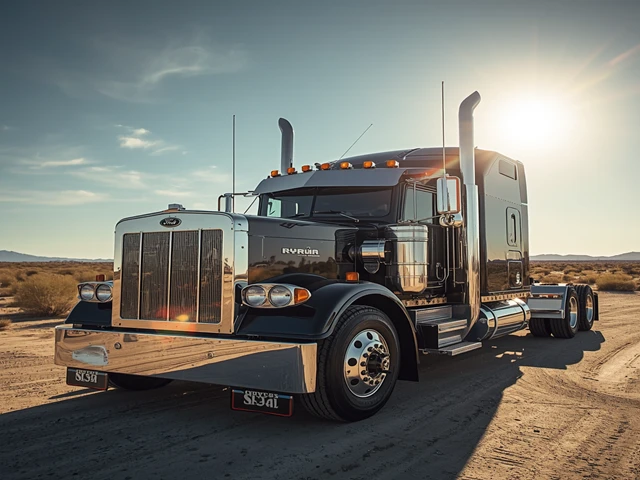
An old diesel truck is not a problem. It’s a solution. The engines in those things were overbuilt to a fare-thee-well, and with some strategic automotive upgrades, you can truly get reliability, efficiency, and thermal management that puts new trucks to shame. These seven bolt-on ideas aren’t about meeting your daily horsepower quota. They’re about making a working truck work better and work longer.
Start With Airflow – Everything Else Follows
The factory airbox on most older diesel trucks was designed around emissions targets and cost constraints, not performance. That means the turbocharger is constantly working against a restricted inlet, which increases turbo lag, raises exhaust gas temperatures, and reduces volumetric efficiency across the RPM range.
A cold air intake replaces that bottleneck with a system that pulls cooler, denser air from outside the engine bay. Denser air means more oxygen per combustion cycle, which translates to cleaner, more complete burning and lower EGTs. S&B Cold Air Intakes use a one-piece airbox design that physically isolates the filter element from radiant engine heat – a detail that matters on hot summer tow days when heat soak can quietly rob 10-15% of available airflow. Testing under ISO 5011 standards shows high-quality aftermarket intakes can improve flow by over 40% while holding filtration efficiency above 99%.
Intercooler Boots: The Upgrade Most People Overlook
The boost pressure that the turbocharger creates is transferred through an assortment of pipes and couplers before it makes its way to the cylinders. On older trucks, many of those couplers are still the original rubber ones – cracked, brittle, and prone to micro-leaks under big boost. A boost leak can’t be seen, but it can certainly be felt in the form of lost performance and fuel mileage.
By far one of the cheapest, highest-return modifications you can make to virtually any turbo-diesel engine is to discard every soft boot in the intercooler system for heavy-duty silicone versions. Silicone flourishes in hot, cold, hot, cold heat-cycle abuse; it doesn’t degrade, and it clamps down tight enough that the boost you’re working so hard to build actually gets where it’s supposed to go.
Fuel Delivery And Filtration
Over time, older tanks will accumulate sediment, rust, and microbial growth, which the factory fuel filter wasn’t necessarily designed to handle over decades of service. When that contamination reaches the injection pump or injectors, the damage is expensive – fuel atomization suffers first, then injector tips erode, and the repair bill follows.
A high-flow lift pump installed between the tank and injection pump addresses two problems at once. It ensures consistent fuel pressure under load, and it gives you a logical mounting point for a high-quality secondary filter. The cetane rating of diesel fuel affects combustion quality, but even premium fuel won’t save injectors that are running contaminated supply lines.
Monitor Your EGTs – No Exceptions
An EGT gauge is the single most protective instrument you can add to an older Diesel Truck used for towing or heavy hauling. Exhaust gas temperature is a direct window into what’s happening inside the combustion chamber. Sustained high EGTs – typically anything above 1,200°F under load – accelerate turbocharger wear, risk piston damage, and shorten the engine’s service life measurably.
Adding a quality digital gauge cluster that monitors EGTs, boost pressure, and transmission temperature takes the guesswork out of hard pulls. You’re not flying blind anymore.
Exhaust System: Reduce Backpressure, Reduce Heat
Original stock exhaust systems on older trucks had to be pretty quiet and meet budget and emissions regulations. That meant tubing was generally pretty small, and where the pipe took a bend, the pipe was crushed down to compensate for the extra material in the outer edge of the bend caused by the bending process. Not only does mandrel bending avoid this condition on a corner, but it also offers the most uniform diameter possible, too.
Stepping up to a larger diameter, mandrel-bent exhaust reduces backpressure across the system. Lower backpressure means the engine expels spent gases more efficiently, which directly lowers operating temperatures and reduces the thermal load on every component downstream. The turbocharger runs cooler, the intercooler recovers faster, and EGTs drop under the same load conditions.
Cooling System Upgrades: The Hidden Necessity
Adding power without upgrading the cooling system is the most common mistake in Diesel Truck modification. A high-efficiency radiator with more core volume than the factory unit handles the base thermal load, but the transmission cooler matters just as much – especially if the truck is being used for anything beyond light daily driving.
Automatic transmissions in older trucks were not engineered with an extra cooling margin. A standalone transmission cooler, plumbed separately from the radiator, keeps fluid temperatures from climbing into the range where slip, wear, and eventual failure become real possibilities.
PCM Recalibration: Tying It Together
Physical upgrades alter the airflow and fuel that the Powertrain Control Module factory settings were programmed around. A custom tune readjusts fueling, timing, and shift points to correspond with the alterations so the new parts complement the engine rather than fight with it.
Without this recalibration, even the best hardware upgrades can leave power on the table or, worse, create conditions that stress the engine over time. Think of it as giving the PCM a new set of instructions – ones that reflect what the engine is actually capable of now, rather than what it was when it rolled off the assembly line.
Your old Diesel Truck has already stood the test of time. None of these changes alter its DNA – they simply allow it to live up to its potential.

